Korean Train Map for Seoul Travelers

Table of Contents
korean train map
Ever stared at a korean train map and felt like you just opened a quantum physics textbook written in hanja? Yeah, we’ve been there—standing in Seoul Station with a bento box in one hand, a crumpled napkin “map” in the other, and zero clue whether that squiggly blue line goes to Busan or your Airbnb in Hongdae. But hey, don’t panic. The korean train map isn’t some cryptic scroll meant only for monks in Gyeongju—it’s a beautifully chaotic symphony of speed, color, and efficiency, and once you crack the code, you’ll be zipping from Incheon to Jeonju like you were born on a KTX platform. And if you mispronounce “Gwangmyeong”? Honey, even locals mix that up. You’re gonna be fine.
Is the Seoul Metro Map Available in English?
Yes, and It’s Your New Best Friend
Short answer: **absolutely yes**. Every station in Seoul—and most across Korea—displays the korean train map in both Korean and English. Signs, announcements, ticket machines, even elevator buttons? Bilingual. The Seoul Metro app? Fully English-friendly. And those sleek posters near the platforms? They list next stops in Hangul, English, Chinese, and Japanese. So no, you don’t need to memorize 한글 before hopping on Line 2. Just look for the color-coded lines and matching English station names (like “Myeongdong,” “Dongdaemun,” or “Sinchon”). Pro tip: download the “Subway Korea” app—it overlays real-time train positions on an English korean train map, complete with walking directions from exits. Lifesaver? More like lifeline.
How to Read Korean Subway Map
Colors, Numbers, and Zero Geographic Accuracy
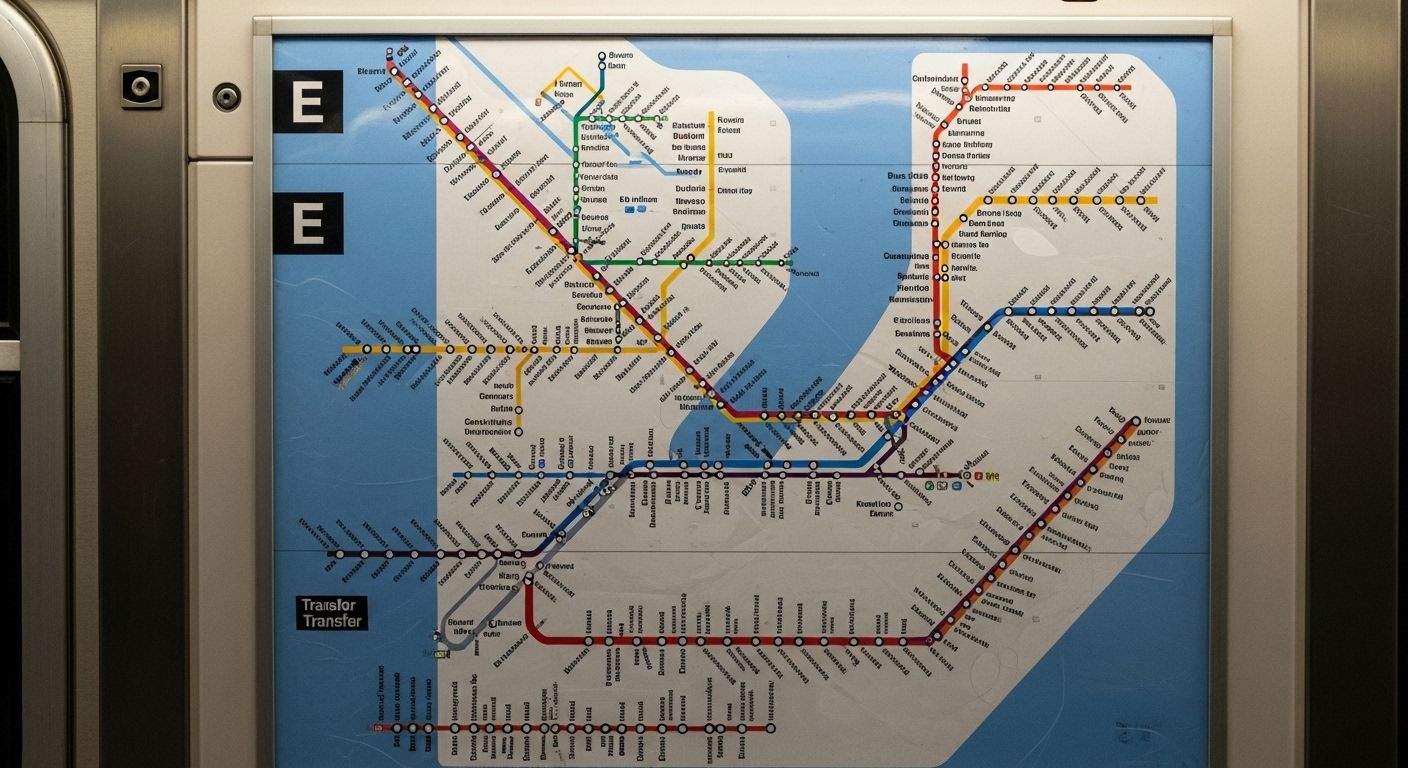
Here’s the tea: the korean train map ain’t Google Earth. It’s a schematic—meaning it prioritizes clarity over real-world distance. Lines are straightened, curves smoothed, and rural stretches compressed like a subway version of Instagram filters. Each line has a number *and* a color: Line 1 (dark blue), Line 2 (green—the loop king), Line 3 (orange), Line 4 (light blue), and so on up to Line 9. Transfers? Marked with circles containing multiple colors or interchange symbols. And don’t freak out if two stations share a name—they’re often connected via underground walkways (like Seoul Station and City Hall). Just follow the signs with little walking person icons. Oh, and ignore the tiny dots between major stops—they’re real stations, but locals skip ‘em unless they live there. The korean train map is minimalist by design, so trust the system, not your sense of scale.
Are Korail and KTX the Same?
Nope—One’s the Company, the Other’s the Bullet
Let’s clear this up fast: **Korail** (Korea Railroad Corporation) is the national rail operator—the big boss running everything from local commuter trains to freight. **KTX** (Korea Train Express) is their high-speed service—the sleek, silver bullet that hits 305 km/h (190 mph) and gets you from Seoul to Busan in under 2.5 hours. Think of it like Amtrak vs. Acela in the U.S. The korean train map usually shows KTX routes as bold red or black lines labeled “KTX,” while regular Korail services (like ITX-Saemaeul or Mugunghwa) appear as thinner lines. For city travel, you’ll mostly use the metro—but for intercity trips? That’s where the full korean train map shines, linking subways to KTX hubs like Yongsan or Suseo. Just remember: KTX = speed, Korail = umbrella brand. Got it? Good.
Which Korean Cities Have Metro?
It’s Not Just Seoul, Folks
While Seoul’s system is the crown jewel (with over 20 lines when you count all branches and light rail), Korea’s got **eight cities** with full metro networks:
- Seoul – the OG, massive and multi-layered
- Busan – coastal vibes, orange and green lines
- Incheon – connects to airport and Seoul via Line 1
- Daegu – compact but efficient, red and green lines
- Daejeon – tech hub, single loop line
- Gwangju – cultural heart, one metro line
- Seongnam – technically part of Greater Seoul, but has its own Bundang Line
- Yongin – home of Everland, served by the Shinbundang Line
Digital vs Printed Korean Train Map
Apps Are Fast, But Paper Never Dies
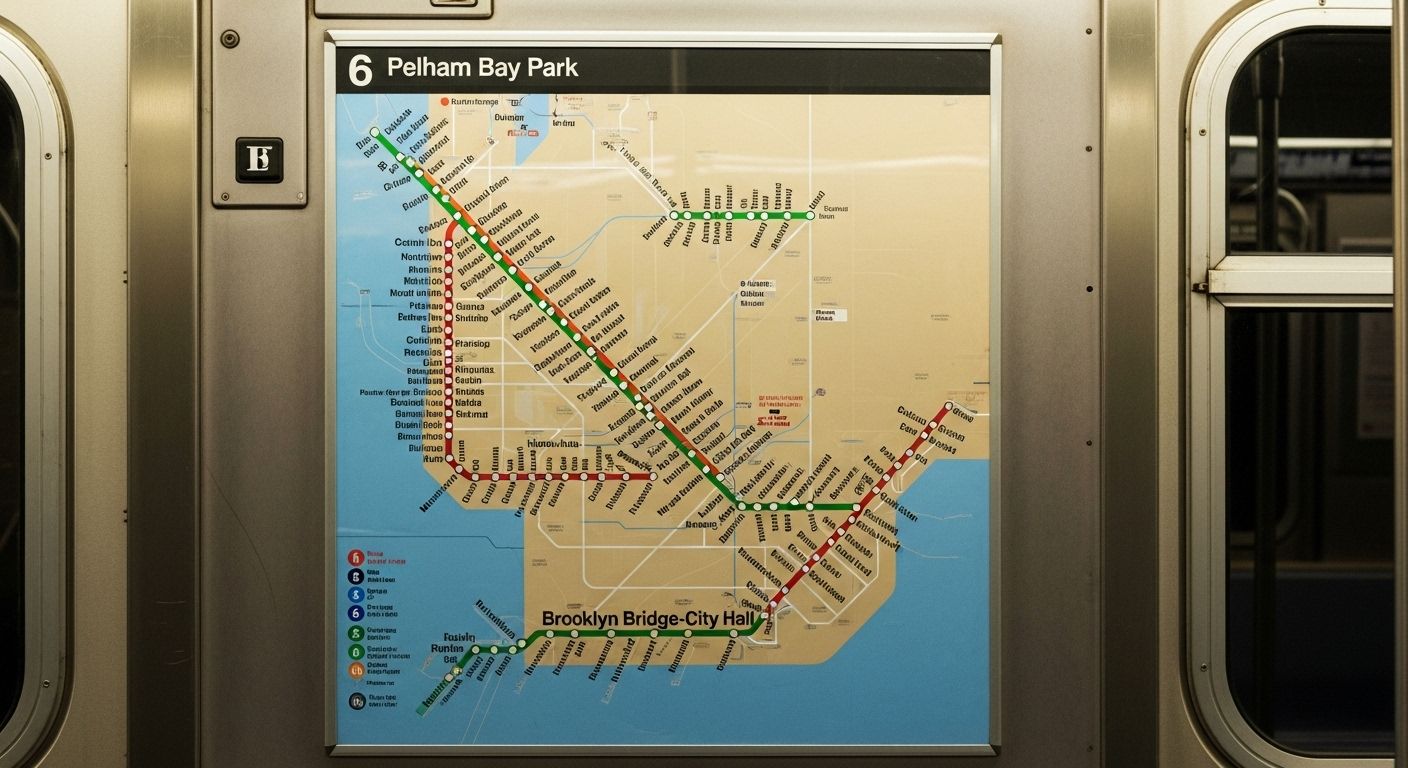
Sure, Naver Map and KakaoMap dominate Korean smartphones—but as a foreigner, you might not have a local SIM. That’s where the printed korean train map saves the day. Free copies sit at every airport info desk, tourist centers, and hotel lobbies. They’re lightweight, waterproof (mostly), and don’t crash when your data dies in a tunnel under Gangnam. Digital versions update instantly for delays or construction, but the physical map helps you plan without screen glare or battery anxiety. Plus, tracing your route with a finger feels oddly satisfying—like you’re part of the city’s pulse. Check out this classic layout that’s guided millions through Korea’s rails:

Common Mistakes Tourists Make with Korean Train Map
“Wait, This Train Doesn’t Go to Incheon Airport?!”Oops—You Boarded the Local, Not the Express
Classic blunder: hopping on the AREX “All Stop” train instead of the “Express” to Incheon Airport. The korean train map shows both, but platform signs are key. Another trap? Assuming all Line 1 trains go to the same place—some terminate at Soyosan, others at Cheonan. Always check the final destination on the train’s LED display. Also, don’t confuse “Seoul Station” (main KTX hub) with “City Hall Station” (metro-only)—they’re connected, but it’s a 10-minute walk. And PS: tapping your T-money card twice? System thinks you’re cheating and slaps you with a max fare. Ouch. The korean train map won’t warn you about that—you gotta learn the hard way (like we did).
Accessibility on the Korean Train Map
Inclusive Design in a High-Speed World
Korea’s transit system is surprisingly accessible. Newer stations (especially on Lines 5–9 and Shinbundang) feature elevators, tactile paths, and wheelchair spaces clearly marked on the korean train map. Look for the universal accessibility symbol (blue circle with white figure)—if it’s next to a station, you’re good. Older lines (like parts of Line 1) are trickier, but staff will assist if you ask. Apps like “KakaoMetro” highlight barrier-free routes, and station attendants wear bright vests—just point and smile. The korean train map may not scream “ADA compliant,” but behind the scenes, Korea’s pushing hard to make rails welcoming for all.
Peak Hours and Crowd Avoidance Using Korean Train Map
Dodging the Rush Hour Crush
Mornings 7:30–9:00 a.m.? Evenings 6:00–8:00 p.m.? That’s when the Seoul metro turns into a human pressure cooker. But the korean train map can help you escape. See parallel bus routes along Euljiro? Maybe hop on one instead. Notice your stop (looking at you, Gangnam Station) is a transfer nightmare? Exit early at Sinnonhyeon and walk—it’s quieter and sunnier. Apps show real-time crowding, but the printed korean train map lets you visualize alternatives without staring at a screen like a zombie. And avoid Line 2 during rush hour—it’s a loop, so trains get fuller with every stop. Trust us, your personal space will thank you.
Fares, Payment, and the Korean Train Map
T-Money, Cash, or Card—Pick Your Fighter
Fares start at **$1.10 USD** for short metro rides and cap around **$1.80 USD**—cheaper than a can of Cass beer. The korean train map won’t list prices, but ticket machines do (in English!). Best bet? Grab a **T-money card** ($2–3 USD deposit + loadable value) from any convenience store (CU, GS25, 7-Eleven). Tap in, tap out—done. Contactless credit cards (Visa/Mastercard) also work on subways and buses. For KTX? Book online via Korail Talk app or at station kiosks—prices range from **$30–60 USD** depending on class and distance. Pro move: T-money gives you free transfers between bus and subway within 30 minutes. The korean train map doesn’t show fares, but it shows connections—so plan smart, save cash.
Pro Tips for Mastering the Korean Train Map
Level Up Like a Local
Ready to flex? Here’s how true Seoulites roll with the korean train map:
- Learn key Hangul station names—even just “exit” (출구) and “transfer” (환승) save time.
- Use “last train” times—subways stop around midnight; missing it means expensive taxis.
- Combine KTX + metro—book KTX to Daejeon, then hop on their metro to Expo Park.
Frequently Asked Questions
Is the Seoul Metro map available in English?
Yes, the Seoul Metro map is fully available in English at every station, on official apps, and on digital displays. The korean train map includes English station names, color-coded lines, and bilingual signage throughout the system, making navigation seamless for international travelers.
How to read Korean subway map?
To read the korean train map, focus on color-coded lines (each with a number), interchange stations marked by multi-color circles, and English station names. The map is schematic—not geographically accurate—so distances are compressed for clarity. Transfers are well-signed, and digital tools like the Subway Korea app enhance real-time understanding of the korean train map.
Are Korail and KTX the same?
No, Korail is the national railway operator of South Korea, while KTX is its high-speed rail service. The korean train map distinguishes KTX routes (usually in bold red or black) from regular Korail and metro lines. Understanding this difference is key when using the korean train map for intercity versus urban travel.
Which Korean cities have metro?
Eight Korean cities operate metro systems: Seoul, Busan, Incheon, Daegu, Daejeon, Gwangju, Seongnam, and Yongin. Each appears on the national korean train map with standardized color and numbering, allowing consistent navigation across urban centers using the korean train map.
References
- https://www.seoulmetro.co.kr/en/
- https://www.letskorail.com/eng/main/Main.jsp
- https://english.visitkorea.or.kr/enu/GI/GI_EN_3_1_1_1.jsp
- https://www.korail.com/en/main/main.do